Cloud Computing Forensics
Law & Forensics collects, preserves, analyzes, and responds to data across cloud platforms, applying forensically sound methods that protect integrity, chain of custody, and admissibility from the outset.
Cloud Computing Forensics capabilities
Cloud Data Collection and Preservation
We collect and preserve data from cloud storage, SaaS applications, and IaaS platforms across providers including AWS, Microsoft Azure, and Google Cloud. A customized collection plan and specialized tooling ensure the data is acquired in a forensically sound manner that maintains integrity, chain of custody, and admissibility in court.
Cloud Data Analysis and Review
Our experts use advanced analytics tools to search, filter, and analyze large volumes of data from cloud environments while preserving its integrity and admissibility. We isolate the relevant material and present it clearly so clients can focus on the issues that matter to the matter or investigation.
Cloud Incident Response
We deliver rapid response to security incidents in cloud platforms, identifying and isolating affected systems to limit business disruption. Working from a tailored incident response plan, our team helps clients recover quickly and guard against the loss of sensitive data.
Multi-Provider Coverage
Our methods span the major cloud ecosystems, including AWS, Microsoft Azure, and Google Cloud, as well as cloud-based email, HR, storage, and other SaaS systems that hold case-relevant evidence.
Defensible, Tailored Methodology
Every engagement begins with a detailed understanding of the data, platform, and risks involved, followed by a collection and analysis plan built around the client's goals. We provide clear, concise reporting throughout the project lifecycle so the work remains transparent and defensible.
Cloud Computing Forensics — matters we are engaged for
Logs are rotating while counsel argues about scope
Most cloud providers retain detailed audit logs for a fixed window measured in weeks. The matters that fail are the ones where preservation waited on a scope agreement until the records that would have answered the question aged out.
A tenant admin is the suspect
When the person under investigation holds the administrative credentials, ordinary collection tips them off and gives them the ability to alter the record. The sequence — out-of-band preservation first, then collection — is the whole engagement.
Data sits across providers that do not agree
A single matter can span Microsoft 365, Google Workspace, Slack and a CRM, each with its own export format, retention default and definition of 'deleted'. Reconciling them into one defensible production is where most of the work is.
A subpoena to the provider is the wrong instrument
The Stored Communications Act sharply limits what a provider will hand over in civil litigation. The practical route usually runs through the account holder, and knowing that early avoids months spent on a motion that was never going to succeed.
Cloud Computing Forensics — frequently asked questions
Which cloud platforms can you collect from?
We collect and analyze data across the major cloud ecosystems, including AWS, Microsoft Azure, and Google Cloud, as well as cloud storage, SaaS applications such as email and HR systems, and IaaS environments.
How do you keep cloud data admissible in court?
We follow a strict, forensically sound process that preserves the integrity of the data and maintains its chain of custody throughout collection, analysis, and review, ensuring the evidence remains admissible.
Can you respond to a cloud security incident?
Yes. Our Cloud Incident Response team mobilizes quickly to assess the situation, identify and isolate affected systems, and execute a tailored response plan designed to minimize business disruption and prevent the loss of sensitive data.
How does a cloud forensics engagement begin?
Each engagement starts with a thorough understanding of the client's needs, the data and cloud platform involved, and the associated risks. We then customize a collection, analysis, or response plan around those specifics and report clearly throughout the project.
Cloud Computing Forensics — questions, terms and comparisons
Questions answered
Terms defined
Digital Forensics experts who testify to this work
Full expert panel →
J-Michael Roberts
Senior Director
Digital Forensics · Incident Response · Malware Reverse Engineering
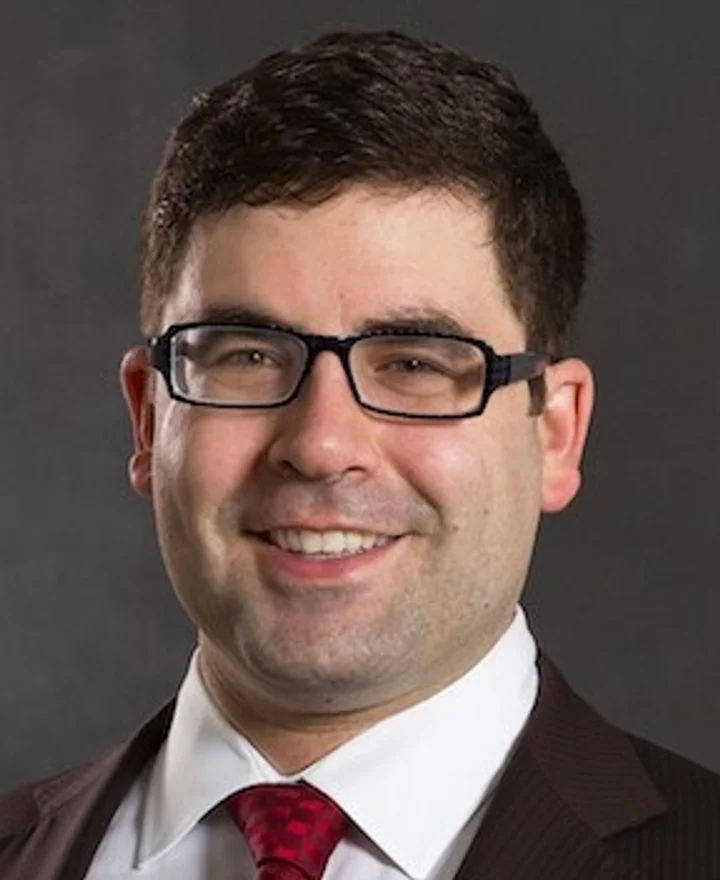
Daniel B. Garrie
Founder
Digital Forensics · Expert Witness Testimony · Incident Response
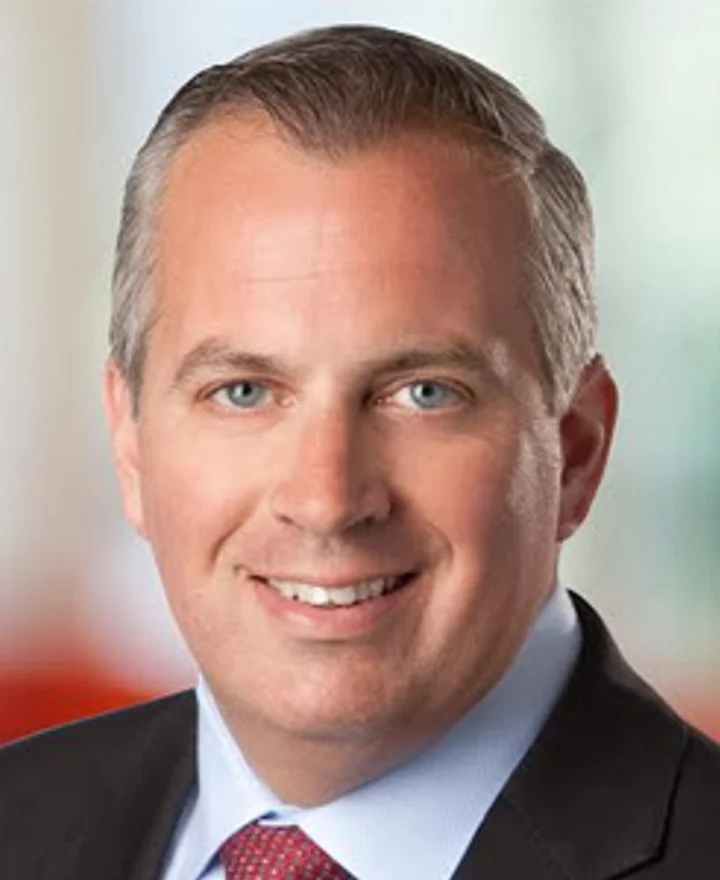
Roland Cloutier
Expert Consultant
Incident Response · Expert Witness Testimony
Our experts serve as court-appointed special masters, forensic neutrals, and arbitrators — 40 appointments are listed by matter and citation.
Cloud Computing Forensics case results
Electric Utility / Power Generation
Forensic Attribution Halts a Departing Engineer's Theft of Grid Design Data at an Electric Utility
Logistics & Freight
Insider Theft of Proprietary Routing and Pricing Models Traced and Proven at a National Logistics Carrier
Public Research University
Forensic Attribution of Faculty Research-IP Theft at a Public Research University