Daubert Defense & Rule 702 Experts
Reliability-tested forensic opinions built to survive Rule 702 scrutiny — and rebuttal work that exposes the unsupported leaps in an opposing expert's report.
Daubert Defense & Rule 702 Experts capabilities
Methodology documentation
Validated tools, peer-reviewed methods, documented error rates, and standard operating procedures that mirror the Daubert reliability factors — recorded as the work is performed rather than reconstructed once a motion is filed.
Rule 702 readiness review
Assessing a draft opinion against the amended Rule 702 standard before it is served: whether each conclusion actually follows from the data, and whether the expert has overstated what the evidence supports.
Rebuttal and motion support
Examining an opposing expert's methodology for unvalidated tools, unstated assumptions, missing error rates, and conclusions that outrun the underlying artifacts — then documenting those gaps for the motion.
Deposition and hearing testimony
Defending the methodology on the record. The examiner who performed the work is the person who testifies to it, so the chain from artifact to conclusion can be walked step by step.
Daubert Defense & Rule 702 Experts — matters we are engaged for
The method is sound but was never written down
The examination was competent and the documentation is thin. Reconstructing the method, error rates and validation after the fact is possible, but it is far weaker than having recorded them as the work was done.
The 2023 amendment changes the argument
Rule 702 now requires the proponent to demonstrate admissibility by a preponderance, and that the opinion reflects a reliable application of the method to the facts. Arguments that used to go to weight increasingly go to admissibility.
An opposing expert overstates certainty
The most effective challenges rarely allege incompetence. They establish that the expert cannot exclude an alternative explanation — which is a question about method, not about credentials.
A motion that fails would strengthen the other side
A Daubert motion that is denied can leave the expert looking tested and credible. Deciding whether to bring it is a strategic judgment that depends on what the technical read actually found.
Daubert Defense & Rule 702 Experts — frequently asked questions
What is a Daubert challenge?
A Daubert challenge is a motion asking the court to exclude an expert's testimony as unreliable or unhelpful. It takes its name from Daubert v. Merrell Dow Pharmaceuticals (1993), which made the trial judge the gatekeeper for expert evidence and identified factors courts weigh: whether the technique can be and has been tested, whether it has been peer reviewed, its known or potential error rate, the existence of standards controlling its operation, and its acceptance in the relevant community. In federal court the governing text is Federal Rule of Evidence 702.
What makes digital forensic testimony admissible under Rule 702?
The opinion must rest on sufficient facts or data, be the product of reliable principles and methods, and reflect a reliable application of those methods to the facts of the case. For forensic work that means validated tools, a documented and reproducible process, preserved chain of custody, and conclusions that stay within what the artifacts actually show. The most common reason technical testimony is excluded is not a flawed tool but an unsupported inferential leap — a conclusion the underlying data cannot carry.
How did the 2023 amendment to Rule 702 change the standard?
Effective December 1, 2023, Rule 702 was amended to make explicit that the proponent must demonstrate admissibility by a preponderance of the evidence, and that the expert's opinion must reflect a reliable application of the methodology to the facts. The amendment was a response to courts treating reliability questions as matters of weight for the jury rather than admissibility for the judge. In practice it has raised the premium on documenting, contemporaneously, how each conclusion follows from the evidence.
What is the difference between the Daubert and Frye standards?
Frye v. United States (1923) asks a single question: whether the technique is generally accepted in the relevant scientific community. Daubert replaced that test in federal court with a broader, multi-factor reliability inquiry in which general acceptance is one consideration among several. A number of states still apply Frye or a hybrid. The practical consequence is that a novel-but-well-validated method may be admissible under Daubert yet face difficulty under Frye, so the standard in the forum shapes how the methodology should be documented.
How does methodology documentation affect admissibility?
Documentation is what converts a defensible process into a demonstrable one. Where tool versions, hash values, acquisition steps, and analytical decisions are recorded as the examination proceeds, the methodology can be reconstructed and defended long after the data was first touched. Where it is not, the expert is left reconstructing their own reasoning under cross-examination. We document to that standard on every engagement, whether or not a challenge is anticipated, because the decision to contest an opinion is not ours to predict.
Can you review an opposing expert's report without testifying?
Yes. A substantial part of this work is consulting-only: examining an opposing report for methodological gaps, identifying which conclusions the underlying data cannot support, and supplying counsel with the technical basis for a motion or a cross-examination outline. That engagement can remain non-testifying, and it is often the more useful posture when the goal is to test the other side's record rather than build your own.
Daubert Defense & Rule 702 Experts — questions, terms and comparisons
Digital Forensics experts who testify to this work
Full expert panel →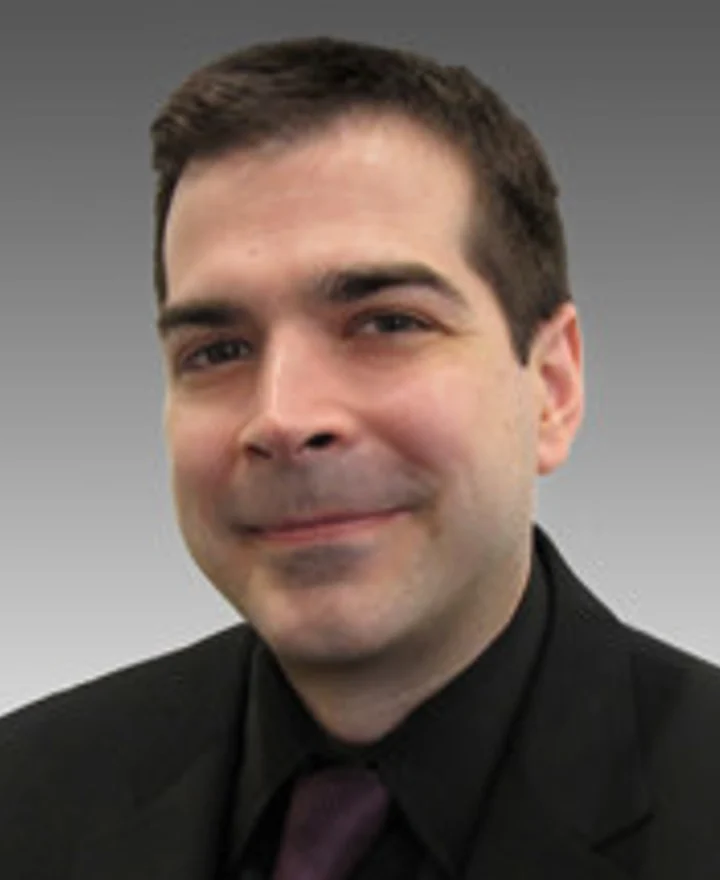
J-Michael Roberts
Senior Director
Digital Forensics · Incident Response · Malware Reverse Engineering
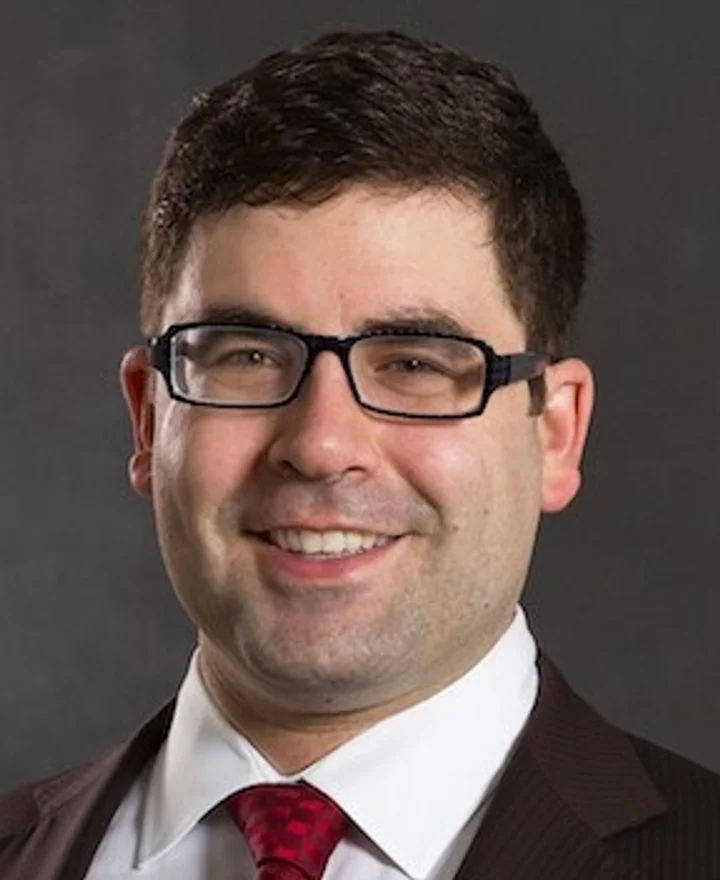
Daniel B. Garrie
Founder
Digital Forensics · Expert Witness Testimony · Incident Response
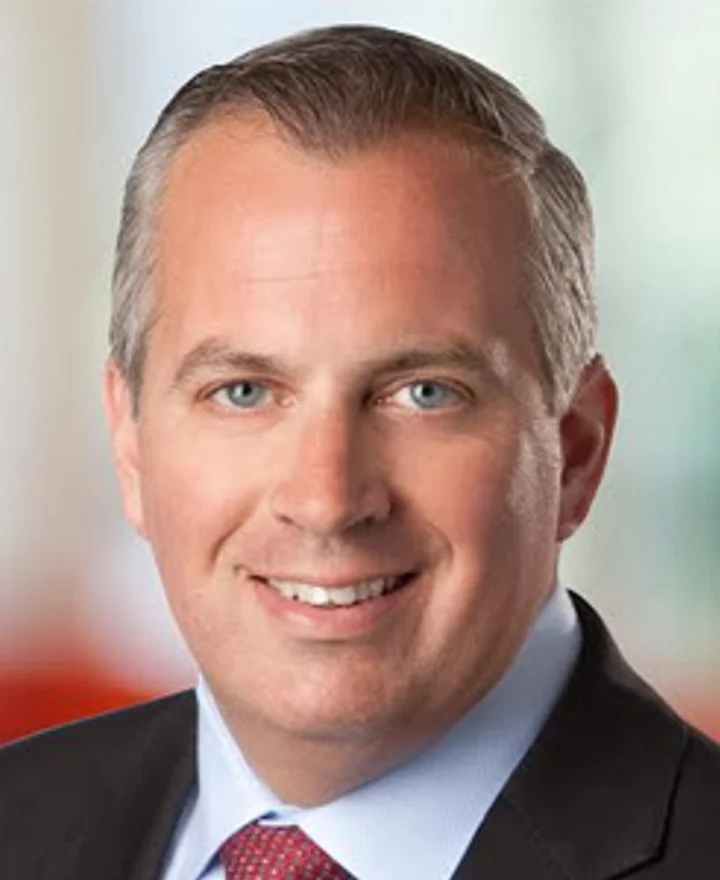
Roland Cloutier
Expert Consultant
Incident Response · Expert Witness Testimony
Our experts serve as court-appointed special masters, forensic neutrals, and arbitrators — 40 appointments are listed by matter and citation.
Daubert Defense & Rule 702 Experts case results
Electric Utility / Power Generation
Forensic Attribution Halts a Departing Engineer's Theft of Grid Design Data at an Electric Utility
Logistics & Freight
Insider Theft of Proprietary Routing and Pricing Models Traced and Proven at a National Logistics Carrier
Public Research University
Forensic Attribution of Faculty Research-IP Theft at a Public Research University