eDiscovery Services
Defensible discovery, from preservation to the witness stand.
End-to-end eDiscovery — strategy, preservation, collection, processing, review, and expert testimony — engineered to be proportional, defensible, and ready to withstand challenge.
What ediscovery covers
Electronic discovery rarely fails for lack of technology — it fails for lack of judgment about what to preserve, how broadly to collect, and how to defend those choices when they are challenged. We run the full discovery lifecycle, from the first litigation hold through processing, hosted review, production, and, when it matters most, sworn testimony about how the work was done. The goal at every step is a record that is proportional to the dispute and durable under scrutiny.
Litigators, general counsel, and corporate legal teams engage us when the volume, the deadline, or the stakes outgrow an in-house process — multi-custodian collections across email, chat, mobile, and cloud platforms; data spread across modern collaboration tools; and matters where opposing counsel is likely to contest scope, spoliation, or methodology. We also serve as court-appointed special masters and neutrals, structuring discovery protocols and resolving disputes between parties.
Because our team includes both lawyers and forensic technologists, the same people who design the collection plan can explain it to a judge. That continuity is what makes a discovery effort defensible: decisions are documented as they are made, chain of custody is preserved throughout, and the methodology can be reconstructed and defended long after the data was first touched.
Services
Engagements span the full lifecycle. Select an area to go deeper.
- Document Review & ProductionManaged, defensible review and production workflows that control cost, risk, and reviewer quality.
- eDiscovery Consulting & StrategyStrategic guidance on discovery scope, protocols, and budgets that keeps matters efficient and defensible.
- ESI Preservation & CollectionForensically sound preservation and collection of electronic evidence across devices, servers, and cloud sources.
- ESI Processing & HostingProcess, cull, and host electronic data in secure review platforms ready for counsel.
- Expert Testimony & ReportingClear expert reports and testimony explaining discovery methods, data handling, and findings to courts.
- Special Master & Neutral Services
Related results
Energy / Oil & Gas
eDiscovery Special Master in Gutierrez v. Amplify Energy — the Southern California Oil-Spill Litigation
Named appointment of record: JAMS Case No. 1220071875 (2021)
Automotive
eDiscovery Expert in the Volkswagen “Clean Diesel” Emissions MDL
Named engagement of record: Volkswagen “Clean Diesel,” MDL, N.D. Cal., Case No. 15-MD-2672-CRB (JSC). (2018).
Sports & Entertainment
eDiscovery Expert in Washington Commanders v. National Football League
Named engagement of record: Washington Commanders v. National Football League, JAMS Case No. 1410009206 (2022)
Frequently asked questions
What is the difference between eDiscovery and digital forensics?
eDiscovery is the structured process of identifying, preserving, collecting, reviewing, and producing electronically stored information for litigation or investigation, usually at large scale. Digital forensics is the deeper examination of a specific device or data source to recover, authenticate, or analyze evidence — for example, reconstructing deleted files or establishing who did what on a system. The two overlap and we deliver both.
When should a litigation hold be issued?
A duty to preserve relevant information generally arises when litigation is reasonably anticipated — not only after a complaint is filed. Issuing a clear, well-scoped hold promptly, and tracking its acknowledgment, is one of the most effective ways to avoid later spoliation disputes. We help teams define custodians, data sources, and scope so the hold is both defensible and proportional.
eDiscovery experts who testify to this work
Full expert panel →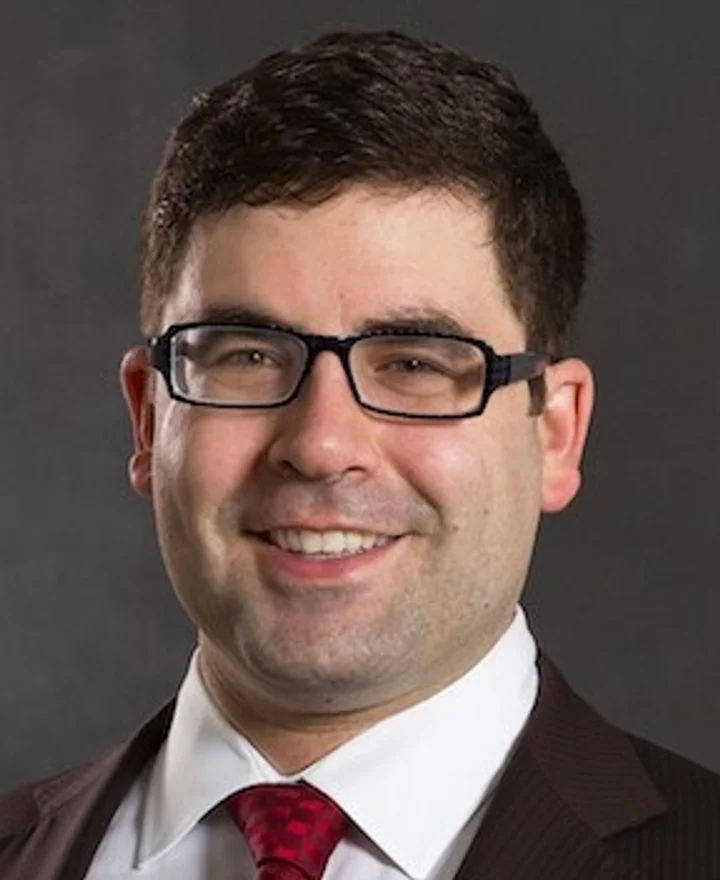
Daniel B. Garrie
Founder
Expert Witness Testimony · eDiscovery Strategy
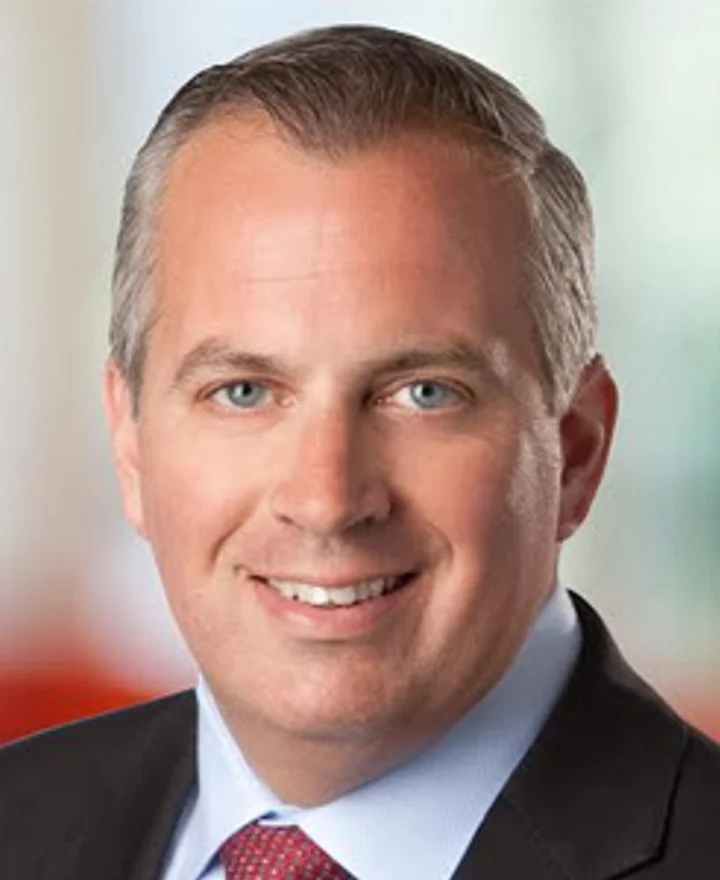
Roland Cloutier
Expert Consultant
Expert Witness Testimony

Gary Corn
Director, Technology, Law & Security, American University
Expert Witness Testimony
Our experts serve as court-appointed special masters, forensic neutrals, and arbitrators — 40 appointments are listed by matter and citation.
Need eDiscovery help on a live matter?
Check us for conflicts in under a minute, or call and we'll tell you candidly whether we're the right team.