Digital Forensics Services
When the matter turns on the evidence, we find it and we prove it.
Court-admissible forensic analysis across computers, mobile devices, cloud, servers, IoT, and emerging deepfake media — preserved soundly and explained clearly to judges and juries.
What digital forensics covers
When a matter turns on what a device or dataset actually shows — who took the files, whether a recording is genuine, what really happened on a server — the analysis has to be both technically rigorous and admissible. We recover, preserve, and examine digital evidence across computers, mobile devices, servers, cloud accounts, IoT and other connected systems, and increasingly across AI-generated and manipulated media.
Litigators, in-house counsel, and investigators bring us in for departing-employee and trade-secret matters, for authentication of disputed documents, images, audio, and video, and for sound preservation of cloud and mobile evidence once a litigation hold attaches. Sound preservation is the foundation: evidence that is collected improperly can be excluded no matter how compelling it appears, so our process protects chain of custody and the integrity of the original from the first contact onward.
The work is only as useful as it is understandable. Our forensic examiners are experienced testifying experts who translate complex technical findings into clear narratives for judges, juries, and arbitrators — explaining not just what the evidence shows, but how it was obtained and why the conclusions are reliable.
Services
Engagements span the full lifecycle. Select an area to go deeper.
- Cloud Computing ForensicsInvestigate activity, access, and data across cloud platforms while preserving evidence for litigation.
- Computer ForensicsRecover, analyze, and document data from computers to uncover what happened and when.
- ConsultingAdvisory on forensic strategy, protocols, and methods that keep investigations defensible and efficient.
- Deepfake ForensicsDetect and authenticate manipulated audio, video, and images using rigorous forensic analysis.
- Expert WitnessIndependent forensic experts who explain technical evidence clearly and withstand rigorous cross-examination.
- Forensic AnalysisExamine artifacts, logs, and files to reconstruct events and answer the questions that matter.
- Forensic Imaging & Chain of Custody
- Internet of Things ForensicsExtract and analyze evidence from connected devices, sensors, and embedded systems for investigations.
- Forensic InvestigationsEnd-to-end investigations that trace activity, identify actors, and build documented, defensible factual records.
- Mobile Device ForensicsRecover messages, location data, and app activity from phones and tablets for litigation.
- Server ForensicsAnalyze server logs, access records, and stored data to reconstruct events and pinpoint causes.
- Social Media ForensicsCapture and authenticate posts, messages, and account activity as admissible evidence for disputes.
- Daubert Challenge Defense
Related results
Electric Utility / Power Generation
Forensic Attribution Halts a Departing Engineer's Theft of Grid Design Data at an Electric Utility
Public Research University
Forensic Attribution of Faculty Research-IP Theft at a Public Research University
Frequently asked questions
Can deleted files and messages really be recovered?
Often, yes — but it depends on the device, the operating system, how the data was deleted, and how much activity has occurred since. Deleted material can persist in unallocated space, backups, logs, and synced cloud copies. The single most important factor is acting before the evidence is overwritten, which is why prompt, forensically sound preservation matters so much.
How are documents, images, or recordings authenticated?
Authentication examines an item's metadata, internal structure, and provenance for signs of editing or fabrication, and compares it against known-good references and the surrounding record. With the rise of AI-generated and manipulated media, this increasingly includes analysis for signs of synthetic or deepfake content. The aim is a defensible opinion on whether an item is what it purports to be.
Digital Forensics experts who testify to this work
Full expert panel →
J-Michael Roberts
Senior Director
Digital Forensics · Incident Response · Malware Reverse Engineering
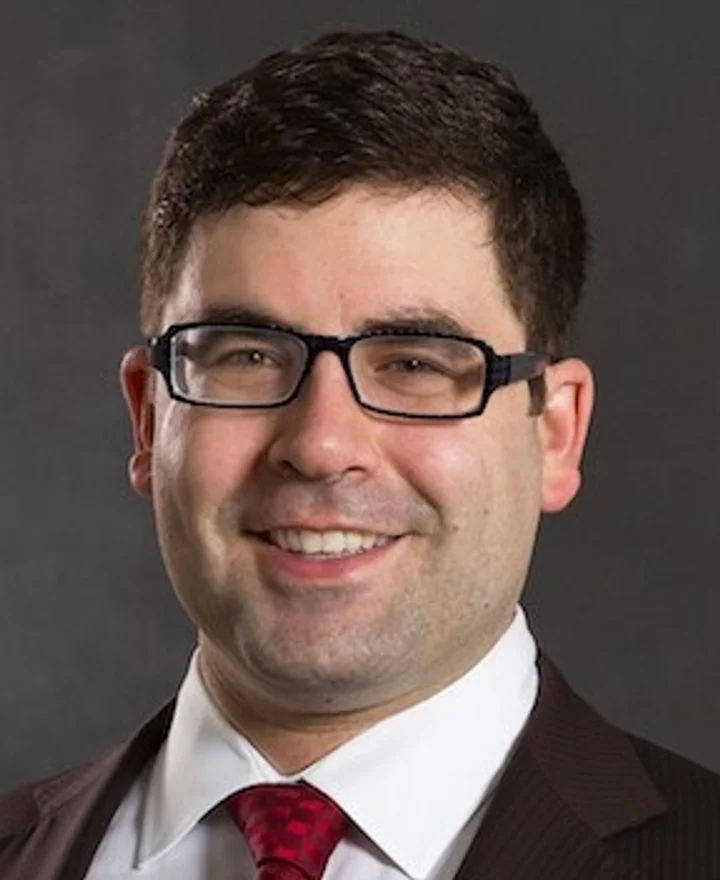
Daniel B. Garrie
Founder
Digital Forensics · Expert Witness Testimony · Incident Response
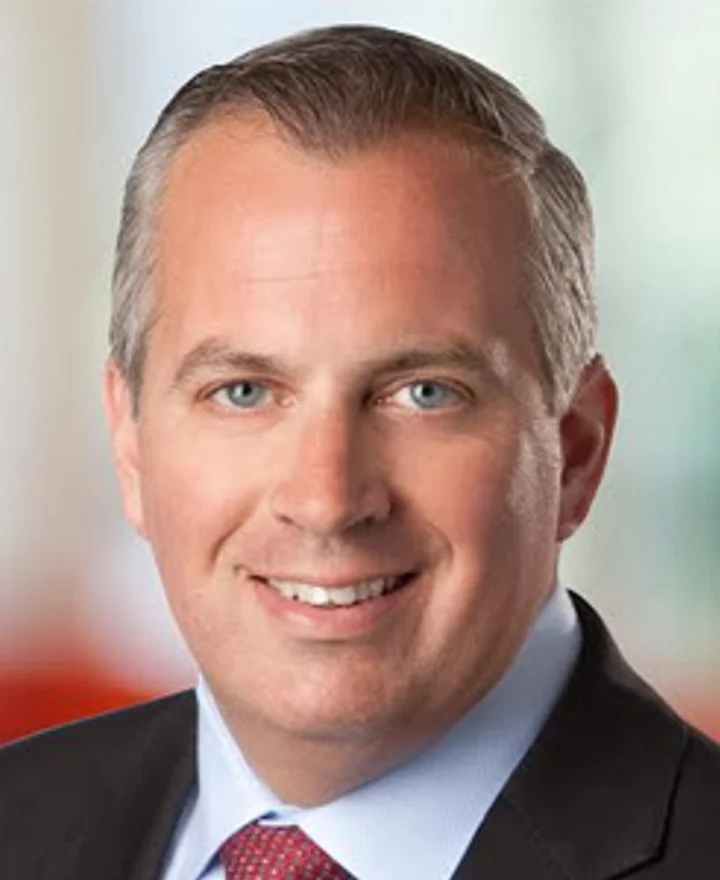
Roland Cloutier
Expert Consultant
Incident Response · Expert Witness Testimony
Our experts serve as court-appointed special masters, forensic neutrals, and arbitrators — 40 appointments are listed by matter and citation.
Need Digital Forensics help on a live matter?
Check us for conflicts in under a minute, or call and we'll tell you candidly whether we're the right team.