
Credit: Marc Bruxelle/Adobe Stock
Today’s legal landscape requires one to have a clear understanding of the relationship between blockchain, smart contracts, and cryptocurrencies and how these three topics are connected to money laundering and other legal concerns. This article attempts to provide the reader with that basic understanding.
What Are We Talking About?
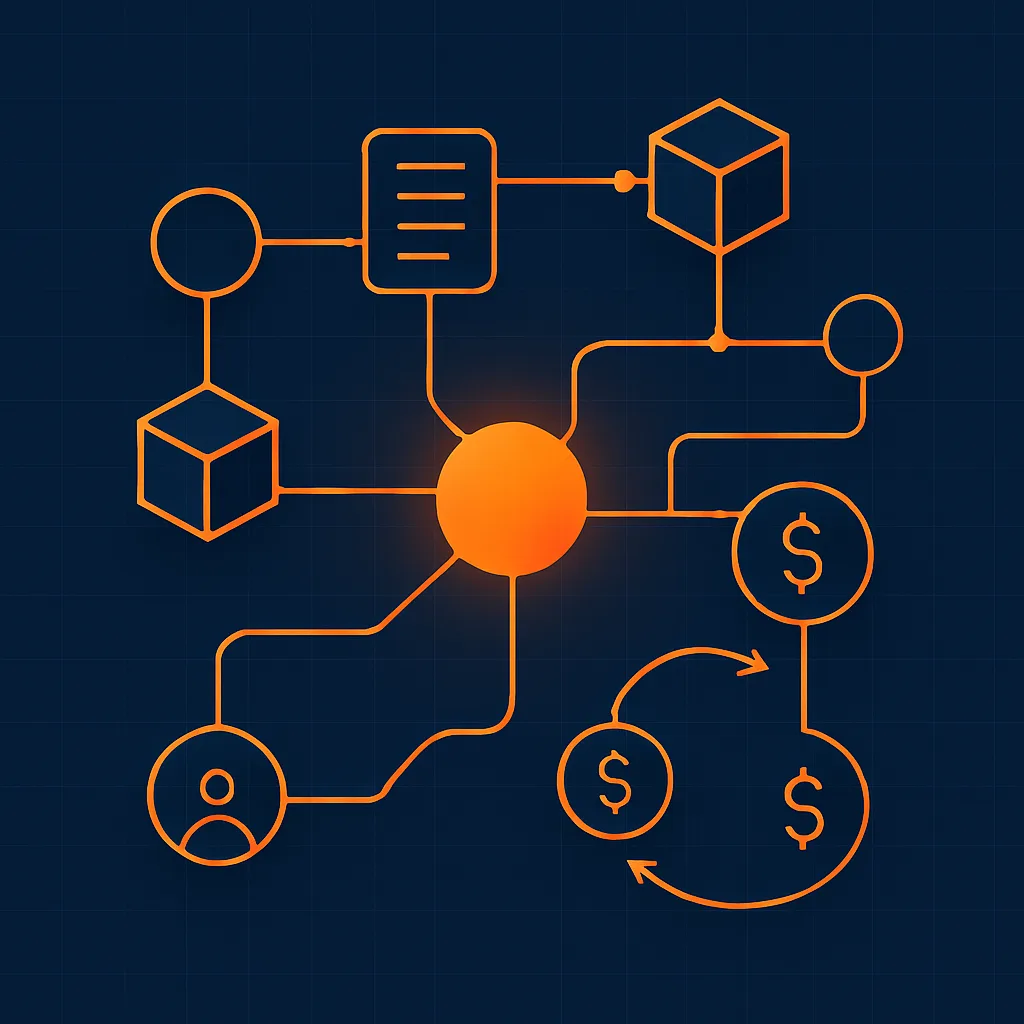
Blockchain is a form of a decentralized database technology that enables cryptocurrencies and smart contracts. Blockchain collects information in groups (blocks) that then hold that information. These blocks have predefined storage capacities; once they are filled, they get submitted for validation. Once validated, they are appended (chained) onto a previous block, creating a chain of data known as a “blockchain.” The two most common methods of validation are Proof of Work and Proof of Stake.
Explore our Digital Banking services →
Digital Banking work we have done
Court & arbitral appointmentsDigital Banking questions answeredAnswers for counsel